Ranthambore National Park remains one of India’s most sought-after wildlife destinations throughout the year. However, every season offers a different experience — from tiger sightings to scenic beauty and peaceful safaris. Understanding the seasonal changes can help you plan the perfect visit based on what you want to experience inside the park.
Here’s a detailed seasonal guide to help you decide the best time to visit Ranthambore.
- Winter (November to February)
Best for: Pleasant weather, balanced wildlife sightings, birdwatching
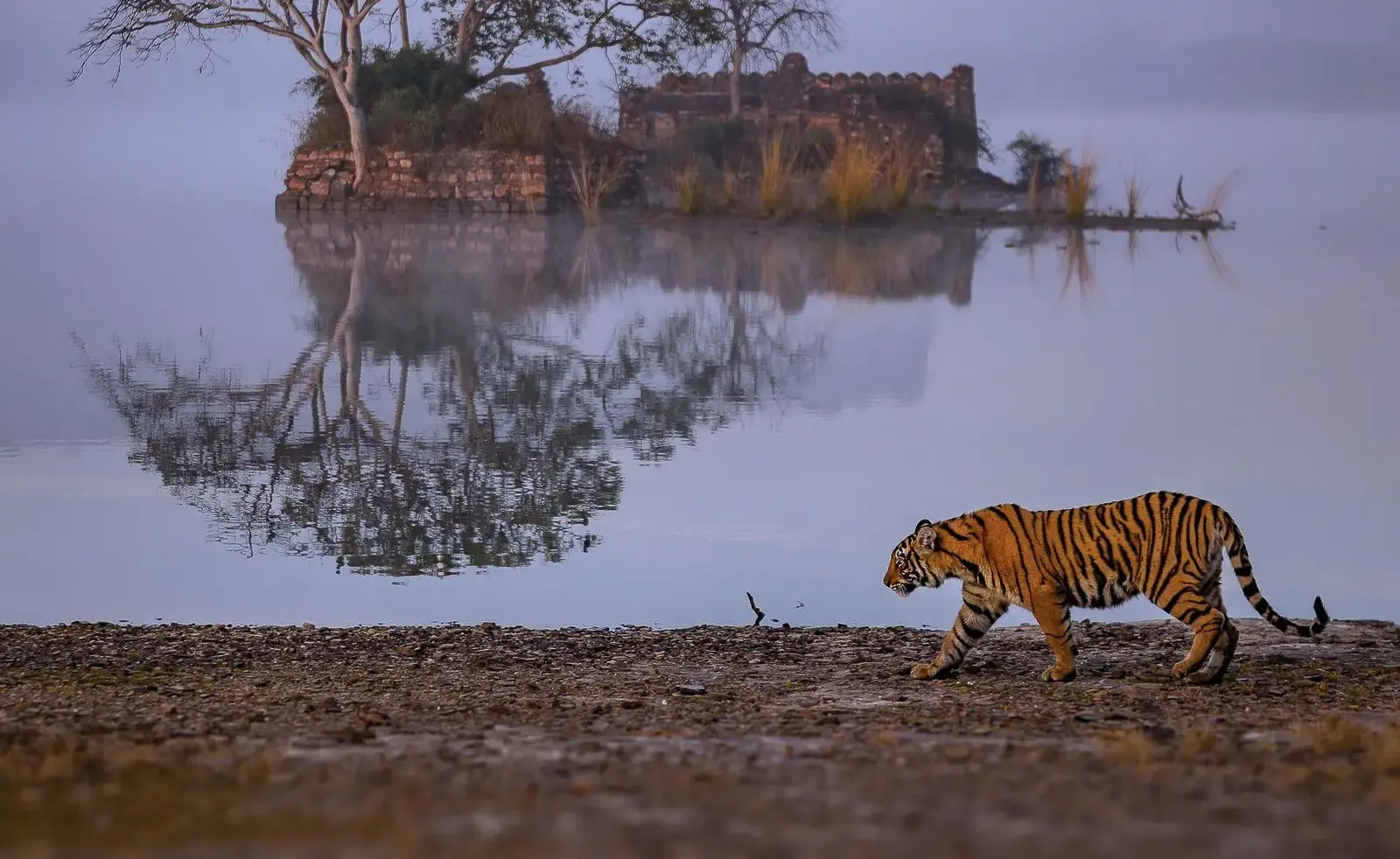
Winter is considered one of the most comfortable and popular seasons to explore Ranthambore. With cool mornings and mild afternoons, safaris during this period are enjoyable and relaxed. Animals remain active for longer hours, improving overall wildlife visibility.
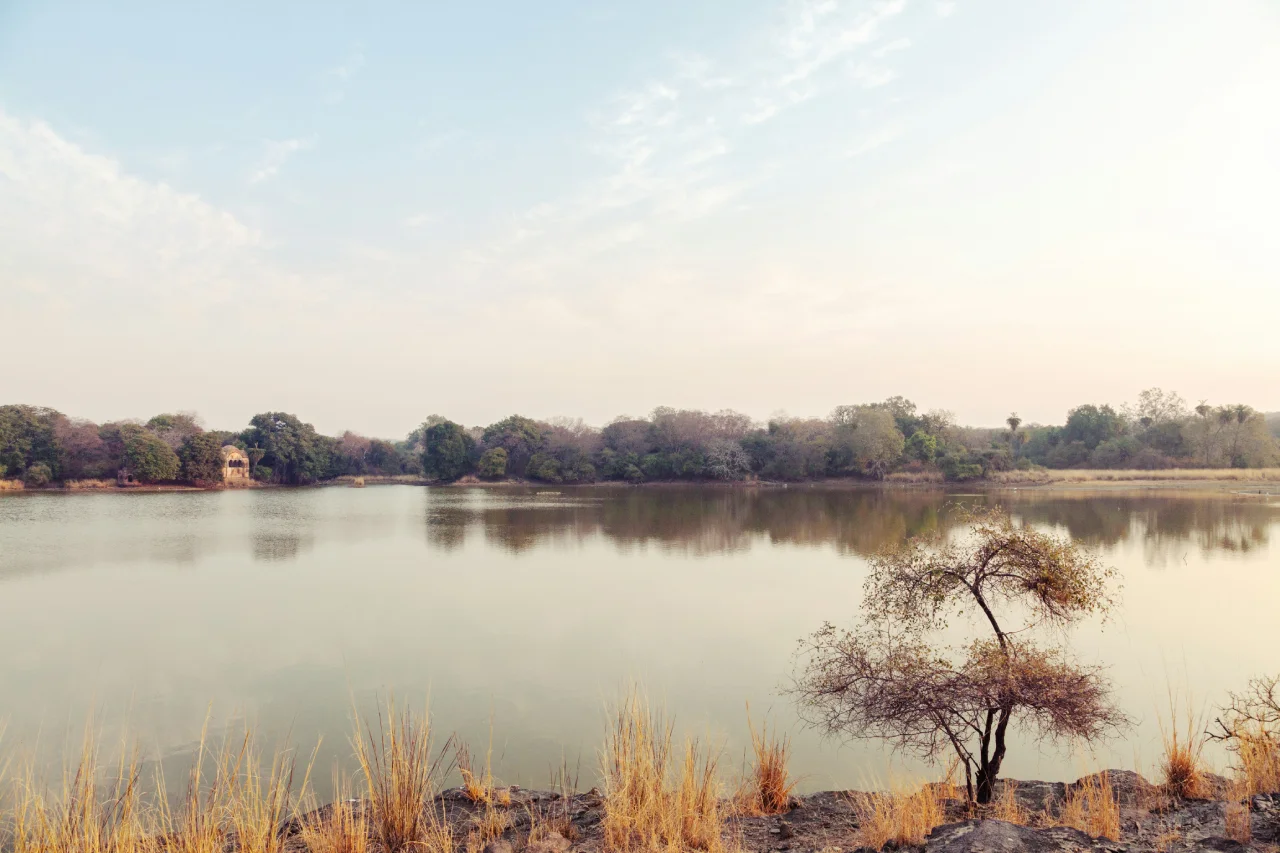
This season is especially rewarding for bird enthusiasts, as several migratory bird species arrive at the park’s lakes and wetlands. The pleasant climate also makes winter ideal for families, photographers, and first-time visitors. - Summer (March to June)
Best for: High chances of tiger sightings
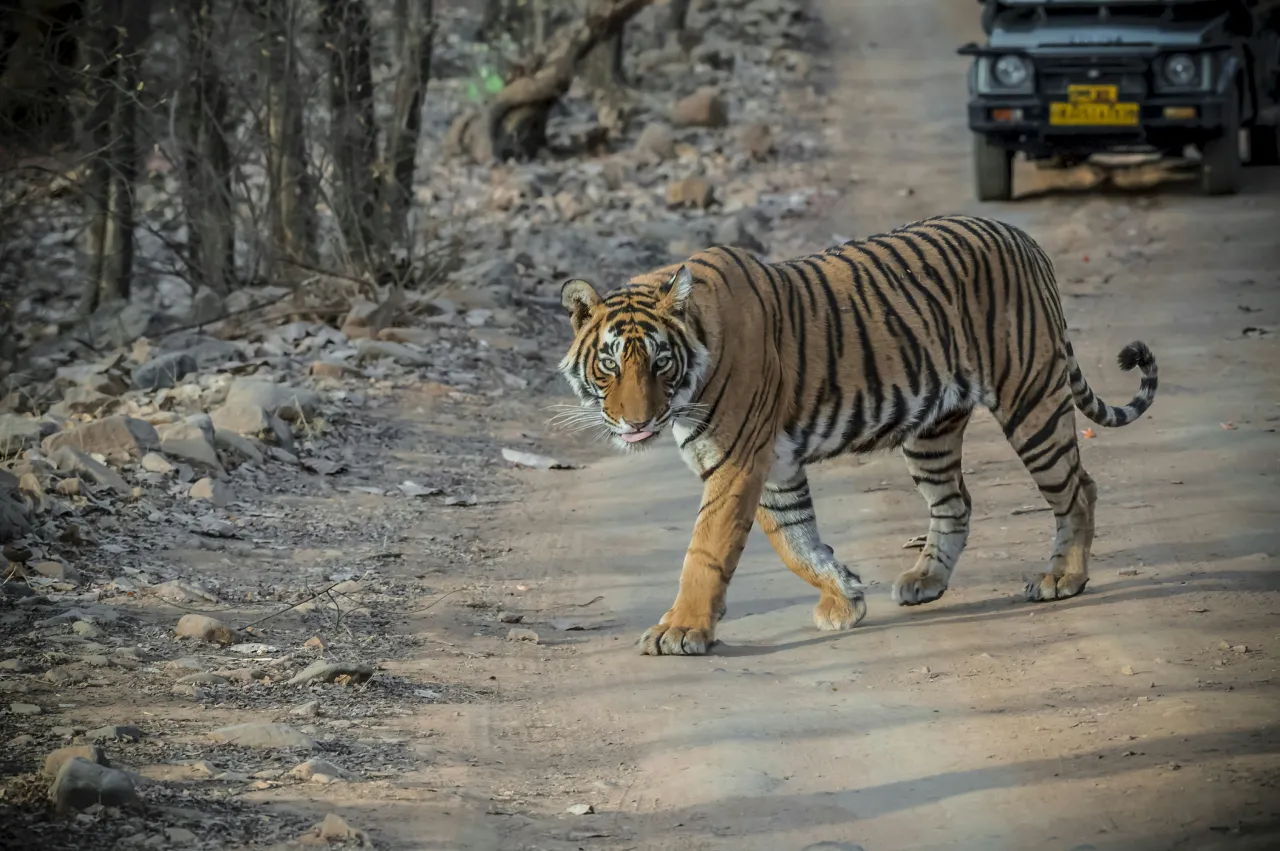
Although temperatures rise significantly during summer, this season is often regarded as the best time for spotting tigers. As natural water sources dry up, wildlife frequently gathers around remaining waterholes, increasing the chances of close sightings — especially during early morning and late afternoon safaris.
While the heat can be intense, summer safaris are preferred by serious wildlife enthusiasts and photographers looking for dramatic encounters and clear visibility through thinner vegetation. - Monsoon (July to September)
Best for: Scenic beauty, quiet experience, nature lovers
During the monsoon, Ranthambore undergoes a stunning transformation as the landscape turns lush and vibrant. Dense greenery, blooming flora, and flowing water bodies create a refreshing natural atmosphere.
Safari operations are limited or temporarily closed during peak monsoon months for conservation and safety reasons. However, this season is perfect for travelers who want to enjoy the peaceful charm of the region, nature walks around the buffer areas, and a crowd-free experience. - Post-Monsoon (October)
Best for: Fresh landscapes with growing wildlife activity
October signals the reopening of the park after the monsoon. The forests are still green, the weather is comfortable, and wildlife activity gradually increases. As vegetation begins to thin, animal sightings improve, making this month an excellent balance between scenic beauty and safari opportunities.
This period is ideal for travelers who want a mix of pleasant weather, fewer crowds, and rejuvenated landscapes.
Conclusion:
The best time to visit Ranthambore National Park ultimately depends on what you wish to experience.
- For comfortable safaris and birdlife, winter is ideal.
- For maximum tiger sightings, summer is the top choice.
- For lush landscapes and tranquility, the monsoon and post-monsoon months offer a unique charm.
No matter the season, Ranthambore promises unforgettable encounters with nature, making it a rewarding destination for wildlife lovers year-round. Plan your visit based on your interests and get ready to experience one of India’s finest wildlife reserves.